Vrik Pharma

Author name: VPPL

lithium fluoride uses
Uncategorized

What Is Lithium Fluoride? Uses, Benefits, and Industrial Applications

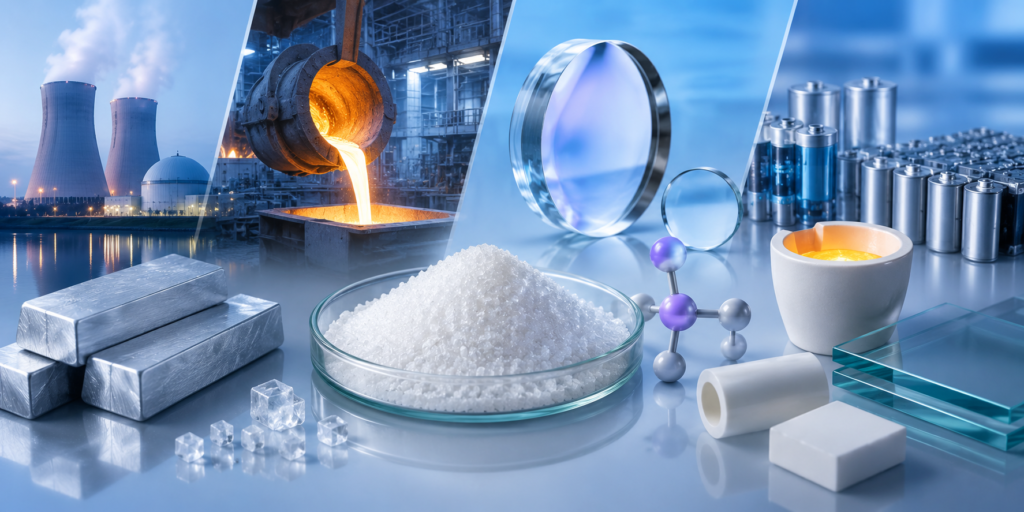
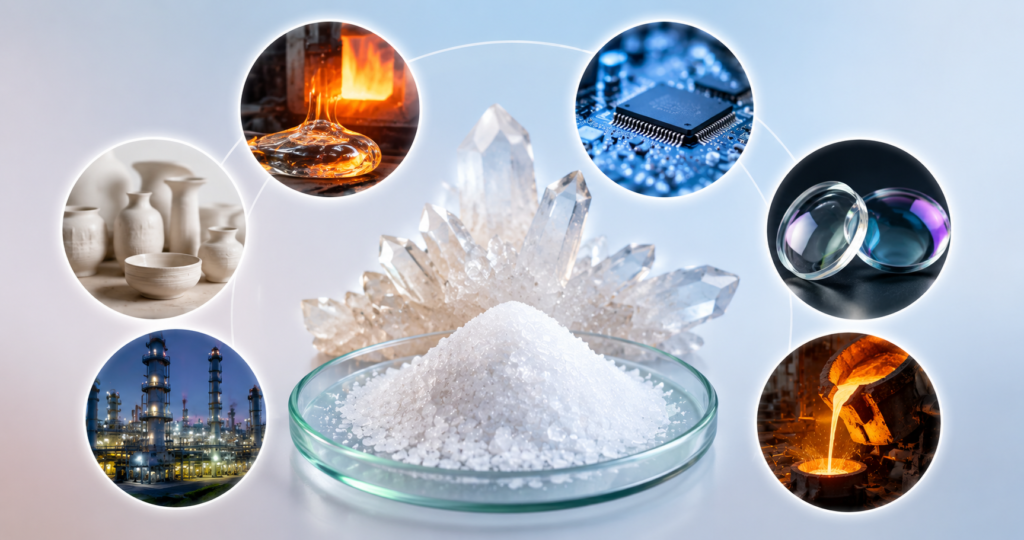
Lithium fluoride is an important industrial chemical used in many industries worldwide. It is known for its high thermal stability, low solubility, and excellent chemical properties. Because of these qualities, lithium fluoride is widely used in glass manufacturing, ceramics, electronics, metallurgy, and chemical processing industries. Today, the demand for high-quality lithium compounds is growing rapidly. Industries prefer working with a trusted lithium fluoride manufacturer and reliable lithium fluoride supplier to ensure product quality and consistent supply. In this blog, we will explain what lithium fluoride is, its properties, major applications, and industrial benefits.  What Is Lithium Fluoride? Lithium fluoride is an inorganic chemical compound made from lithium and fluorine. Its chemical formula is LiF. It appears as a white crystalline powder and is highly stable under high temperatures. Lithium fluoride is mainly used in industrial manufacturing because of its excellent thermal and optical properties. Key Properties of Lithium Fluoride High melting point Excellent thermal stability Low water solubility Good optical transparency Strong chemical resistance These properties make it suitable for many industrial and technical applications.  Lithium Fluoride Uses in Different Industries There are many important lithium fluoride uses across industrial sectors. It plays a key role in improving manufacturing processes and product performance.  1. Glass and Ceramic Industry One of the major lithium fluoride uses is in the glass and ceramic industry. Lithium fluoride helps improve: Glass strength Thermal resistance Surface finish Production efficiency It is often used in specialty glass products and ceramic formulations. Benefits in Glass Manufacturing Reduces melting temperature Improves transparency Enhances durability Supports smooth processing Many manufacturers source high-purity material from an experienced lithium fluoride supplier for consistent results.  2. Electronics Industry Lithium fluoride is widely used in electronic and optical applications. It is commonly used in: Optical coatings X-ray equipment Radiation detectors Electronic components Because of its optical transparency, lithium fluoride is useful in ultraviolet and infrared applications.  3. Metallurgy Industry In metallurgy, lithium fluoride is used as a fluxing agent. It helps: Reduce melting temperatures Improve metal purification Increase process efficiency This makes it useful in aluminum and metal processing industries.  4. Chemical Processing Industry Lithium fluoride is also used in chemical manufacturing and laboratory applications. It helps in: Chemical reactions Process stabilization Research and development work Industries prefer working with a trusted lithium fluoride manufacturer for high-purity industrial-grade chemicals.  5. Nuclear and Energy Applications Lithium fluoride has applications in nuclear technology because of its stability and resistance to radiation. It is used in: Nuclear reactors Radiation shielding Energy-related research Its thermal stability makes it suitable for high-temperature environments.  Benefits of Lithium Fluoride The growing demand for lithium fluoride is mainly due to its industrial advantages. High Thermal Stability Lithium fluoride performs well in high-temperature applications without breaking down easily.  Excellent Chemical Resistance It resists many chemicals and harsh industrial conditions.  Optical Transparency Its optical properties make it useful in advanced electronic and optical industries.  Improved Industrial Efficiency Lithium fluoride helps improve manufacturing quality and process performance.  Wide Industrial Applications It can be used in multiple industries, making it a versatile industrial chemical.  Importance of Choosing the Right Lithium Fluoride Supplier Quality plays an important role in industrial chemical applications. Poor-quality chemicals can affect product performance and manufacturing efficiency. This is why industries prefer sourcing from a reliable lithium fluoride supplier with strong manufacturing standards. Key Criteria for Selecting a Reliable Lithium Fluoride Supplier Product Purity High-purity lithium fluoride ensures better industrial performance. Consistent Supply Reliable delivery helps industries avoid production delays. Quality Standards Choose manufacturers that follow proper testing and quality control processes. Technical Support Experienced suppliers can guide industries with product applications and specifications.  Growing Demand for Lithium Fluoride in Global Industries The demand for lithium compounds is increasing globally due to growth in: Electronics manufacturing Specialty glass production Industrial processing Advanced technology applications As industries continue to expand, the need for trusted chemical manufacturers and exporters also grows. India is becoming a major hub for industrial chemical manufacturing because of quality production and competitive pricing.  Why Industries Choose Indian Chemical Manufacturers Global industries prefer sourcing chemicals from India because of: Cost-effective manufacturing Quality-certified products Strong export capability Reliable bulk supply Advanced manufacturing infrastructure Working with a trusted lithium fluoride manufacturer helps industries maintain product quality and operational efficiency.  Why Choose Vrik Pharma? Vrik Pharma is a trusted manufacturer and supplier of industrial and specialty chemicals for domestic and global industries. We provide high-quality lithium fluoride and other industrial chemicals for various applications. Our Strengths High-quality manufacturing standards Reliable domestic and global supply Bulk supply capability Competitive pricing Strict quality control Customer-focused support As a leading lithium fluoride manufacturer and lithium fluoride supplier, Vrik Pharma is committed to delivering high-purity chemical solutions for industrial applications worldwide.  Conclusion Lithium fluoride is an important industrial chemical used in glass manufacturing, electronics, metallurgy, chemical processing, and advanced technology industries. Its thermal stability, chemical resistance, and optical properties make it highly valuable for modern manufacturing processes. With increasing industrial demand, choosing a reliable lithium fluoride manufacturer and trusted lithium fluoride supplier is essential for maintaining product quality and production efficiency. Vrik Pharma continues to serve domestic and global industries with premium-quality lithium fluoride and industrial chemical solutions designed to meet modern industrial requirements.  FAQs 1. What is lithium fluoride used for? Lithium fluoride is used in glass manufacturing, ceramics, electronics, metallurgy, chemical processing, and optical applications.  2. What are the main benefits of lithium fluoride? Lithium fluoride offers high thermal stability, chemical resistance, optical transparency, and improved industrial performance.  3. Which industries use lithium fluoride? Industries such as glass, electronics, metallurgy, energy, and chemical manufacturing widely use lithium fluoride.  4. Why is high-purity lithium fluoride important? High-purity lithium fluoride helps improve product quality, manufacturing efficiency, and industrial performance.  5. Why choose Vrik Pharma as a lithium fluoride supplier? Vrik Pharma provides high-quality lithium fluoride with reliable domestic and global supply, competitive pricing, and strong quality standards.

Ferrous Sulphate industrial vs Agricultural Grade
Blog

Understanding Ferrous Sulphate: Industrial vs Agricultural Grade Differences

Ferrous sulphate is a widely used compound across multiple industries, from agriculture to water treatment and manufacturing. However, not all ferrous sulphate is the same. One of the most common areas of confusion for buyers is the difference between industrial and agricultural grades. Choosing the wrong grade can lead to performance issues, compliance concerns, or unnecessary costs. That’s why understanding the distinction between ferrous sulphate industrial grade and ferrous sulphate agricultural grade is important for procurement teams, distributors, and end users. In this guide, we explain the key differences, practical applications, and what buyers should look for when sourcing from a reliable ferrous sulphate manufacturer. What is Ferrous Sulphate? Ferrous sulphate (FeSO₄) is an iron salt commonly used as a source of iron in various industrial and agricultural processes. It is typically available in different forms such as monohydrate and heptahydrate. Its core function depends on the application: In agriculture, it corrects iron deficiency in soil and crops In industry, it is used in water treatment, chemical processing, and manufacturing  Ferrous Sulphate Industrial Grade vs Agricultural Grade While the chemical base remains the same, the difference lies in purity, composition, and intended use. 1. Purity and Composition Industrial Grade: May contain higher levels of impurities Composition varies depending on end use Not always suitable for direct soil or crop application Agricultural Grade: Controlled composition suitable for plant use Lower levels of harmful impurities Designed for safe and effective nutrient delivery 2. Application and End Use Ferrous Sulphate Industrial Grade Used in: Water and wastewater treatment Pigment manufacturing Cement and construction processes Chemical production Ferrous Sulphate Agricultural Grade Used in: Soil application to correct iron deficiency Foliar sprays for quick nutrient absorption Lawn and turf management 3. Quality Standards and Compliance Industrial-grade material is typically produced based on process requirements rather than crop safety. Agricultural-grade ferrous sulphate must: Meet safety guidelines for soil use Maintain consistency for predictable crop response Be suitable for long-term agricultural application 4. Physical Characteristics Differences may also be seen in: Granule size or powder form Solubility Moisture content These factors directly impact how the product performs in real-world applications. Ferrous Sulphate Industrial Grade vs Agricultural Grade Parameter Ferrous Sulphate Industrial Grade Ferrous Sulphate Agricultural Grade Primary Use Manufacturing, water treatment, construction processes Soil application, crop nutrition, micronutrient correction Purity Level Moderate to variable (depends on industrial process) Controlled and consistent for safe agricultural use Impurities May contain higher levels of process-related impurities Lower impurity levels suitable for soil and plant health Compliance Focus Based on industrial specifications Aligned with agricultural and fertilizer guidelines Suitability for Crops Not recommended Specifically designed for crop application Cost Perspective Lower upfront cost in some cases Better long-term value for agricultural use Application-Based Comparison Application Area Industrial Grade Usage Agricultural Grade Usage Water Treatment Used to remove impurities and control contaminants Not applicable Chemical Processing Acts as a raw material or process chemical Not applicable Construction Used in cement and related applications Not applicable Soil Application Not suitable due to impurity concerns Used to correct iron deficiency in soil Foliar Spray Not recommended Used for quick nutrient absorption in plants Turf & Lawn Care Not used Commonly used for lawn greening and maintenance Physical & Handling Characteristics Property Industrial Grade Agricultural Grade Form Powder or granules (varies by industrial need) Powder or granules optimized for field application Solubility May vary depending on grade Consistent solubility for effective plant absorption Moisture Content Less controlled Controlled to maintain stability and usability Particle Size Not always standardized More uniform for even application Handling Requirements Based on industrial safety protocols Designed for ease of handling in agricultural environments Key Considerations When Sourcing Ferrous Sulphate 1. Define the End Application Clearly identify whether the use is industrial or agricultural before purchasing. 2. Check Product Specifications Look for: Iron content Purity levels Moisture content 3. Evaluate the Manufacturer Work with an experienced ferrous sulphate manufacturer who understands both grades and their applications. 4. Packaging and Handling Proper packaging ensures product stability, especially for export and long-distance shipping. 5. Supply Reliability Consistency in supply is critical for industries and distributors managing ongoing demand. Industry Applications at a Glance Industrial Use Cases Wastewater treatment plants for removing impurities Manufacturing processes requiring iron salts Construction applications such as cement treatment Agricultural Use Cases Correcting iron chlorosis in crops Improving soil micronutrient balance Enhancing turf and lawn quality  About Vrik Pharma At Vrik Pharma, we operate as a manufacturer, exporter, and B2B supplier of chemical products serving both industrial and agricultural sectors. Our focus includes: Controlled manufacturing processes for consistent product quality Supplying both ferrous sulphate industrial grade and ferrous sulphate agricultural grade Supporting bulk supply and international logistics Understanding application-specific requirements across industries We aim to provide materials that perform reliably in their intended use, helping our partners maintain consistency in their operations. Conclusion Understanding the difference between industrial and agricultural grades of ferrous sulphate is essential for making the right purchasing decision. While both serve important roles, they are not interchangeable. Selecting the correct grade ensures better performance, compliance, and long-term value. Whether for manufacturing processes or crop nutrition, working with a knowledgeable ferrous sulphate manufacturer helps reduce risks and improve outcomes. FAQs 1. What is the main difference between industrial and agricultural ferrous sulphate? The key difference lies in purity and intended use. Industrial grade may contain higher impurities and is used in manufacturing processes, while agricultural grade is designed for safe use in soil and crops. 2. Can industrial-grade ferrous sulphate be used in agriculture? It is not recommended. Industrial grade may contain impurities that can affect soil health and crop performance. Agricultural-grade material is specifically formulated for safe application. 3. What is ferrous sulphate used for in agriculture? It is used to correct iron deficiency in plants, improve chlorophyll production, and support healthy crop growth. It is commonly applied to soil or as a foliar spray. 4. How do I choose the right ferrous sulphate grade? Start by identifying your application. For farming and soil

Potassium Iodide and Lead Nitrate
Blog

What Happens when Lead Nitrate Solution Is Added To Potassium Iodide Solution?

In the world of chemistry, some reactions are as fascinating to observe as they are to understand. One such classic experiment involves mixing Lead Nitrate solution and Potassium Iodide solution. This cheap reaction is not only appealing to the eye, but it also gives a strong illustration of the reactions of double displacement and precipitation. We will discuss what occurs in this chemical reaction, the science involved in the chemical reaction and the application. So, let us go into details. Understanding the Reactants Before diving into the actual reaction, we should get a feel for what the individual compounds are: Lead Nitrate (Pb(NO₃)₂) Lead Nitrate is a soluble white crystalline solid that is able to dissolve in water. It is a lead salt normally applied in labs in chemical analysis and demonstrations. As a heavy metal salt, lead nitrate is toxic, and care should be taken to handle this salt. Potassium Iodide (KI) Potassium Iodide is a compound of potassium and iodine. Its high solubility in water and capability to react with some metal ions of metals make it extensively applicable in pharmaceuticals, radiation and chemical reactions, etc. The Chemical Reaction What Will Take Place When the Two Solutions Are Combined? When an aqueous solution of Lead Nitrate is added to an aqueous solution of Potassium Iodide, a double displacement (or metathesis) reaction occurs. This means the cations and anions of the two reactants swap places, forming new compounds Chemical Equation: Pb(NO₃)₂ (aq) + 2KI (aq) → PbI₂ (s) + 2KNO₃ (aq) Explanation: Visual Observation: The Yellow Precipitate The highlight of this reaction is the appearance of a bright and yellow solid, but this solid settles within a short time at the bottom of the container. This solid is lead (II ) iodide and is insoluble in water at room temperature.This visual is a spectacular difference, and hence this reaction is a common demonstration in classrooms as well as chemistry labs to show the features of precipitation reactions. What is the Reason for this Response? These rules of solubility and ionic interactions determine this reaction. Now, let us break it down: Uses and Applications Though this reaction can be primarily considered as educational, it also illustrates several important chemical concepts to be applied in many aspects: 1. Instructing Chemistry concepts In this experiment, the students can visualise: 2. Qualitative Analysis Lead nitrate can be used in analytical chemistry to test the presence of iodide ions, and potassium iodide can be used to test lead ions. The presence of the two can be validated by the formation of yellow lead(II) iodide. 3. Pharmaceutical and Industrial Setting At Vrik Pharma – Leading Chemical Manufacturer , where accuracy and chemical accuracy play an important role, knowing how compounds interact is useful in ensuring the safety of products produced, product regulation and quality control of drugs and chemical procedures and processes. Safety Precautions Although the reaction can be demonstrated safely because all conditions are under control, the reactants used are lead nitrate and potassium iodide, each needing care: Conclusion An experiment performed between lead nitrate and potassium iodide is both visually stimulating and scientifically informative in the nature of ionic compounds reacting in aqueous solutions. The oxidation of lead(II) iodide into a bright yellow precipitate is a typical demonstration of the double displacement and precipitation reaction. Whether you’re a student, teacher or a member of the chemical field, this experiment is going to be very beneficial in terms of understanding how ions behave in solutions. Such principles of chemistry are important in Vrik Pharma because they are the foundation of all chemistry testing and pharmaceutical pills. Know More Vrik Pharma To learn more and to get more information on the chemistry, trends in pharmaceuticals and scientific explorations that connect theory to the real-world sphere, stay tuned to Vrik Pharma. Our commitment to quality and precision extends from our lab to your learning experience.

Ferrous Sulphate Heptahydrates
Blog

Ferrous Sulphate Heptahydrate is Used to Fortify Foods and Beverages

Ferrous Sulphate Heptahydrate is one of the most popular and efficient iron supplements, used in the food industry. The mineral complex is also important as a food and beverage fortification ingredient that the food industry uses to ensure people get their daily iron requirements and prevent nutritional deficiency. At Vrik Pharma, we know the importance of iron for human health. What is Ferrous Sulphate Heptahydrate? Ferrous Sulphate Heptahydrate is a kind of iron that appears in the form of blue- green crystals, and it also easily dissolves in water. The term heptahydrate suggests that it has seven molecules of water, and this is the reason why it is stable and can be used in most food and drink processes. This type of iron is also bioavailable, and this implies that the human body can take it up and utilize it. Why Do We Need Iron? Iron is an essential nutrient for the production of haemoglobin within red blood cells. Oxygen is transported in the body by hemoglobin. Lack of adequate iron will make individuals get iron deficiency anemia, resulting to fatigue, weakness and poor concentration. Iron is particularly important for: ● Young children and infants● Pregnant and breastfeeding women● Adolescent girls● Individuals who have poor, unbalanced diets What is Food and Beverage Fortification? Fortification is the addition of essential micronutrients to foods and beverages to contribute to healthier products. Iron addition assists in the prevention or treatment of iron deficiency among the population. Ferrous Sulphate Heptahydrate is frequently used in a variety of food and beverages as a staple food and drink additive since it is cheap, efficacious and popular. Common Foods and Beverages Fortified with Ferrous SulphateHeptahydrate: Benefits of Using Ferrous Sulphate Heptahydrate in Fortification ● Well Absorbable: It is easily absorbed in the body, and facilitates theincrease of iron levels.● Affordable: It is an inexpensive component and is thus suitable in large-scalehealth issues involving the population.● Safe: It has been tested safe when consumed in a recommended amount.● Stable: It is highly effective for long durations of time, especially in dry foodsand powders. How It Helps Public Health Its use in fortified foods and beverages has significant health advantages:● Reduces the risk of anemia● Supports brain development in children● Boosts energy levels and concentration in adults● Supports the immune system as a whole● Boosts maternal health when pregnant How Is Ferrous Sulphate Heptahydrate Added to Food and Drinks? Food scientists measure the right proportion of Ferrous Sulphate Heptahydrate and incorporate it into products during manufacturing. This ensures consumers get enough iron without exceeding safe limits. In drinks, iron must be incorporated in a manner that has no impact on taste, so manufacturers use new techniques like microencapsulation to preserve flavour and appearance intact. Safety Guidelines When iron is added to food and beverages, proper rules should be followed to ensure safety:● Only the approved amount should be used.● Products should be stored in dry, cool places to help retain quality.● Iron-enriched products should be kept away from children en masse to avoid unintended excessive usage. Challenges and Solutions Challenges:● Iron, at times, affects the flavour or appearance of foods and beverages.● It can lead to turbidity or a metallic taste in liquids when not properly controlled.Solutions:● Utilise coating technologies for reduced effect on taste.● Combination with vitamin C to improve absorption rate and negate any unpleasant taste. Why Vrik Pharma Recommends Iron Fortification We at Vrik Pharma are dedicated to health and innovation. We offer pure and high-quality Ferrous Sulphate Heptahydrate that meets international safety and performance standards. We aim to support industries and governments in the production of fortified food and beverage items that can be used to improve public health throughout the world. Summary Ferrous Sulphate Heptahydrate is one of the first-line ingredients in the fight against iron deficiency. By fortifying food and drink with this powerful compound, we can stop anemia, boost energy, and provide healthy growth and development. In a breakfast cereal, juice, or infant formula, this form of iron ensures that everyone, regardless of age, has the nutrition that they need. Food fortification is one of the safest, most effective, and cost-efficient methods ofenhancing health, and Ferrous Sulphate Heptahydrate lies at the core of it all.

Ferrous fumarate
Blog

Navigating Iron Deficiency: The Role of Ferrous Fumarate in Health Care

Ferrous fumarate is an essential iron supplement well established as an effective choice in iron deficiency anemia treatment, which ensures general well-being. This blog article discusses its usage in particular applications: the treatment of iron deficiency anemia, supplementation for pregnant women and children, fortification of foods, and its formulation in pharmaceuticals. Treatment of Iron Deficiency Anemia Iron deficiency anemia is a condition that arises from a deficiency of available iron for producing healthy red blood cells. One of the drugs usually prescribed for the condition is ferrous fumarate. Ferrous fumarate increases blood iron levels, which helps counteract symptoms like fatigue, weakness, or paleness in the skin. Improvement may begin as early as after one week of treatment but can take up to three to four weeks to fully feel the effects. An adult should take 360 mg a day in any one or two doses for that conventional dose available. Dietary Supplements for Pregnant Women and Children The iron deficit is met most easily by pregnant women and little children, mainly due to higher dietary requirements. Ferrous fumarate is a dietary supplement that has an essential role during pregnancy and prevents anemia and supports fetal development in women. In children, adequate iron intake supports healthy growth and development. Health practitioners do prescribe ferrous fumarate to both populations but take it under medical guidance in order to avoid the risk of side effects. Fortification of Foods to Increase Nutrient-Iron Content  In addition to supplementation, iron fortification of food has been a large-scale tactic in combating this deficiency. Ferrous fumarate has been added to cereals and bread in several countries as part of staple food programs. Such fortification improves the total dietary iron supply of populations at risk of deficiency, such as pregnant women and young children. Such efforts are important in the public health agenda to reduce anemia prevalence rates. Support for Overall Health and Energy Levels Besides the therapeutic function against anemia, ferrous fumarate plays a great deal in improving the general health condition and maintaining energy. Oxygen transport within the body requires adequate iron levels-this is directly linked to energy production. Improvement of physical performance and mental clarity can be obtained by relieving symptoms of fatigue resulting from low iron levels. Used in Pharmaceutical Formulations for Iron Supplementation  Ferrous fumarate happens to be one of the most commonly used iron preparations in many pharmaceutical products designed for iron supplementation. It is available in the tablet and liquid solution forms that act as the most convenient form for various patients. Among all the iron preparations, such as ferrous sulfate, the fumarate iron preparation has been widely used because it produces much fewer gastrointestinal side effects. Conclusion Ferrous fumarate is crucial in the fight against iron deficiency anemia directly and indirectly, either through supplementation or food fortification. Beyond treatment, it plays a very important role in ensuring the health of a vulnerable population-which includes pregnant women and children-while improving well-being as a whole. Ferrous fumarate therefore assumes a strategic position not only in clinical care but also as an integral component in public health endeavors toward nutritional improvement.

Sodium hypochlorite
Blog

Unlocking the Power of Sodium Hypochlorite: Your Guide to Hygiene and Health

Sodium hypochlorite (NaOCl) is one of the chemical compositions that are a fundamental part of various industries and domestic functions in India. Available mainly for its disinfecting and bleaching capabilities, sodium hypochlorite helps in sustaining health and hygiene at the highest level. Having traveled long as the top manufacturer, trader, supplier, and exporter of specialty chemicals with sodium hypochlorite too, VRIK PHARMA ensures the quality of this precious chemical. We have 18 years of experience in the chemical industry and an ISO certification to ensure that what we put on the market is safe and effective. What is Sodium Hypochlorite? Sodium hypochlorite is formed by reacting chlorine with sodium hydroxide. It is a pale greenish-yellow liquid with a distinctive smell of chlorine and is typically referred to as bleach. There are concentrations between 3 and 8% for sodium hypochlorite when used as a household bleach. Its property of acting as an effective disinfectant makes sodium hypochlorite in high demand both in homes and industries. Key Uses of Sodium Hypochlorite in India 1. Water Purification  Sodium hypochlorite is used for the treatment of water. It is highly used in areas in India where people suffer from a lack of drinking water. Water containing dangerous microbes and viruses that cause cholera and typhoid fever can be adequately killed by using sodium hypochlorite. Municipal water-treating plants largely use sodium hypochlorite to ensure that the water supplied through pipes is nontoxic and pure. 2. Household Cleaning and Disinfection Sodium hypochlorite is a household product in many Indian houses, used for various cleaning and disinfecting purposes. Its strong oxidizing power can kill several types of mold, mildew, and bacteria. Because the solution’s properties are very strong, many people dilute bleach solutions and clean kitchens and bathrooms, among other germ-infested surfaces. Application Sodium hypochlorite can be applied in many cleaning tasks-for instance, laundry and surface disinfection. 3. Food Industry Applications    Sodium hypochlorite is a hygienic requirement in the food processing industry. It assists in dispersing onto equipment and surfaces in the food preparation stations, thereby creating hygiene at every level in the food. Sodium hypochlorite prevents the growth of hazardous microorganisms, thus preventing food diseases and hence food safety. 4. Swimming Pool Maintenance  Good swimming pool water health is significant to public health. One of the most common disinfectants in the pool, sodium hypochlorite, destroys harmful microorganisms and algae. Continuing the normal chlorination process with sodium hypochlorite prevents pool water from becoming dangerous and dirty to the swimmers. 5. Wastewater Treatment Sodium hypochlorite is one of the significant contributors to India’s wastewater treatment sites. It is used at these sites for the disinfection of effluents: before it is allowed to enter water bodies or before recycling the water for irrigation purposes. This disinfectant from sodium hypochlorite removes the immediate health risk that may be posed by a potential pathogen infection and saves the environment through the removal of pathogens from the wastewater. Benefits of Sodium Hypochlorite Safety Considerations While sodium hypochlorite offers numerous benefits, it must be handled with care due to its corrosive nature. Conclusion Sodium hypochlorite plays a very crucial role in public health and hygiene efforts across India. Ranging from purifying drinking water to maintaining hygiene in households and industries, its use makes it indispensable. In VRIK PHARMA Pvt. Ltd., we take keen care that our sodium hypochlorite products result in testing measures at the highest standards possible. Understanding the significance of sodium hypochlorite and using it responsibly will bring its benefits to society and safety for our communities. Since health and hygiene issues persist, sodium hypochlorite has emerged as a key tool for a cleaner, greener India, for one.

Sodium metabisulfite
Blog

Sodium Metabisulfite: A Key Chemical for Industry and Health in India

Sodium metabisulfite (Na2S2O5) is an important inorganic compound that has been extensively used in many industries in India. This versatile preservative, antioxidant, and disinfectant plays a very pivotal role in sectors as distant as food and pharmaceuticals. VRIK PHARMA is the leading manufacturer, trader, supplier, and exporter located in Gujarat, India. It specializes in producing sodium metabisulfite. Being an ISO-certified 18-year-old company, we especially emphasize the best quality possible because our products undergo the toughest testing and quality control measures. What is Sodium Metabisulfite? Sodium metabisulfite is highly soluble in water; its crystalline form is white or yellowish in appearance and has a characteristic sulfurous smell. It is in great use due to its effective property of the reduction of compounds. The chemical formula Na2S2O5 gives information about its composition, meaning it contains sodium, sulfur, and oxygen, so it belongs to the class of sulfites.  Key Applications of Sodium Metabisulfite in India 1. Food Preservation Sodium metabisulfite serves as a primary food preservative. This chemical is extensively applied to maintain freshness and prevent spoilage in the food industry. Being an antioxidant, it maintains the colors and flavors of food items, including dried fruits, wines, and baked products. The capacity of inhibiting microbial growth is essential for the extension of shelf life. 2. Water Treatment Sodium metabisulfite is applied to inactivate residual chlorine in water treatment plants spread across India after the disinfection processes are completed. Thus, it conserves the treated water from chlorine removal for safe consumption as well as health safety standards. It is most extensively required for cities where water can become contaminated. 3. Pharmaceuticals Sodium metabisulfite is also an excipient in pharmaceutical preparations; it acts as an antioxidant, helping to prevent the oxidation of the active ingredient. Sodium metabisulfite is commonly used in injectable drug preparations and oral drug solutions, where it stabilizes active ingredients and ensures drug product efficacy. In addition, the antimicrobial action of sodium metabisulfite helps in checking the growth of some microorganisms that cause the degradation of drugs. 4. Textile Industry Sodium metabisulfite is widely used in the textile industry in bleaching and dyeing different kinds of fabrics. This compound acts as a reducing agent in removing excess dyeing matter and imparting greater colorfastness to the cloth. One of the applications is of utmost importance as it helps in providing good finishes on garments. 5. Photography Sodium metabisulfite is used in photography as a developing agent in the development of black-and-white films. It prevents the beginning of the oxidation reaction during development; hence, images stabilize and photographs remain clear and sharp. 6. Chemical Manufacturing Sodium metabisulfite acts as one of the primary reductants in the chemical industry, especially during the synthesis of other chemicals and compounds. Benefits of Sodium Metabisulfite Safety Considerations Despite its numerous benefits, sodium metabisulfite poses a significant danger to health and, therefore, should be handled cautiously. Respiratory Irritation: Sodium metabisulfite dust or fumes can be irritative to the respiratory system. In handling, skin irritation or sensitization might occur, especially when the person uses masks to prevent inhalation of its particles. Skin Sensitivity: Contact with sodium metabisulfite can cause irritation or sensitization of the skin in some individuals. Proper Storage: Sodium metabisulfite must be stored in a cool, dry place away from direct sunlight and incompatible materials to avoid degradation. Conclusion Sodium metabisulfite is one of the chemicals that adds immense contribution to several industries in India—from food preservation to pharmaceuticals to textiles. At VRIK PHARMA, we see to it that we serve the market with the best quality sodium metabisulfite and the same high standards with strenuous testing and quality control measures. Sodium metabisulfite can best be viewed as a success story in the application of chemistry in ensuring food product quality and protecting public health; it is fully well appreciated that even important challenges in this regard-such as health and safety-would not have a happy ending with the use of sodium metabisulfite. This commitment to excellence gives VRIK PHARMA Pvt. Ltd. the necessary experience and skills to meet ever-growing demand for sodium metabisulfite, both homegrown and internationally.

sodium metabisulfite
Blog

Sodium Metabisulfite: A Multifunctional Compound in Modern Applications

Sodium metabisulfite, also known as sodium pyrosulfite or disodium metabisulfite, is an inorganic compound with the chemical formula Na₂S₂O₅. This versatile substance has gained recognition across various industries due to its effective properties as a disinfectant, antioxidant, and preservative agent. VRIK PHARMA is a leading manufacturer, trader, supplier, and exporter of specialty chemicals and inorganic chemicals, such as sodium metabisulfite, in India. In this blog post, we will explore the chemical properties, applications, safety considerations, and the importance of sodium metabisulfite in modern industries. Chemical Properties Sodium metabisulfite is a white or yellowish-white crystalline powder with the odor of sulfur dioxide. Since it has water solubility, you can add it to many formulations without issue. This compound is in two sodium ions with one metabisulfite ion that provides its unique properties. Sodium metabisulfite releases sulfur dioxide gas, which is responsible for its antioxidant and antimicrobial properties. Solutions of sodium metabisulfite are most commonly used as reducing agents, which also exert antioxidative, antimicrobial, and disinfectant properties due to the low pH typical for such solutions. While the compound is relatively stable under dry conditions, it can decompose in the presence of moisture or heat and particularly in acidic environments to release sulfur dioxide. It is a characteristic that must be borne in mind when storing and handling sodium metabisulfite on an industrial level. Uses and Applications Sodium metabisulfite is employed across multiple sectors due to its effective properties: 1. Food Preservation Sodium metabisulfite is one of the best-known applications for the food industry. It functions as a preservative from microbial spoilage, extending the shelf life of many products. For instance, it is commonly used when drying products as dried fruit, such as apricots and raisins, to prevent browning while maintaining their natural color. Sodium metabisulfite preserves the crispness and freshness of beer by stopping contamination from unwanted bacteria or yeast, which is one part of why it is used in winemaking kept so fresh. 2. Pharmaceuticals Sodium metabisulfite is an antioxidant and preservative used in the pharmaceutical industry. This in turn increases the stability of medications (especially those that are oxidation sensitive) and makes them long-lasting. It is found in many injectable drugs, eye drops, and other sterile products deemed to be safe for patient use. 3. Water Treatment In industrial water treatment, sodium metabisulfite is used as a reducing agent to neutralize chlorine in process waters. It works well in effectively removing the excess chlorine from water, and it is an important concern to have while looking for clean drinking water and healthy marine life. preservatives. When we neutralize chlorine, the water quality is maintained to protect human health and environmental facilities from the toxic effects of this harmful molecule through sodium metabisulfite. 4. Photography Sodium metabisulfite is used as a developing agent in photography (and also called sodium fumes). Among the various chemicals used in black-and-white film and paper development, one of those that plays an important function in stabilizing final images is sodium sulfate. The antioxidant qualities add to the life-longevity of your prints. 5. Textiles and Dyes Sodium metabisulfite is also used in the textile industry for dyeing and desizing (10) by acting as a reducing agent holding sulfur dioxide (SO2). It serves to maintain the amount of color and brightness desired in textiles without attacking the fabric. In addition, it is used in the preparation of some dyes to help improve their stability and performance. 6. Industrial Applications Aside from its well-known application in food and pharmaceuticals, sodium metabisulfite also functions as a reducing agent for different chemical processes. It can also find use in the removal of gold from ores when depositing onto activated carbon and as a corrosion inhibitor for oil-well drilling companies. It is widely used in many industrial applications, making it a versatile compound. Safety and Precautions Sodium metabisulfite has all along been considered harmless (GRAS in the United States) and is mostly well-tolerated when used sensibly, but it can react with a few groups of individuals causing an allergic reaction, such as amongst asthmatics dealing with sulfur dioxide intolerance. This might manifest itself as lung issues, skin rashes, and gut distress, among others. It is critical to adhere to safety advice and mark sodium metabisulfite-containing products in order that consumers may be made aware of its occurrence. Personal protective equipment (PPE) should be worn when working with sodium metabisulfite to protect skin from irritation and prevent eye exposure. This compound is going to need to be kept. in a cool, dry place, not near moisture or sources of heat like the oven, for example, so that it will last longer and stay fresh. Conclusion Sodium metabisulfite has many medical and industrial uses, including disinfectant, antioxidant, and preservative. It is an invaluable resource in food conservation, pharmaceuticals, water treatment, photography, textiles, and industrial process applications. Like any other chemical compound, responsible usage and safety precautions are essential in order to take full advantage of the positives while also decreasing any possible negatives. All of these capabilities make Sodius metabisulfite very amazing and cannot be ignored in various departments. Industries can keep using this important compound to improve product safety, quality, and shelf life by understanding its properties and applications. Our commitment to providing this high-quality sodium metabisulfite, along with other specialty chemicals, will allow us to continue fulfilling the varied requirements of our Indian as well as global clients.

Magnesium Sulphate
Blog

The Power of Magnesium: Understanding Magnesium Sulfate in Modern Medicine

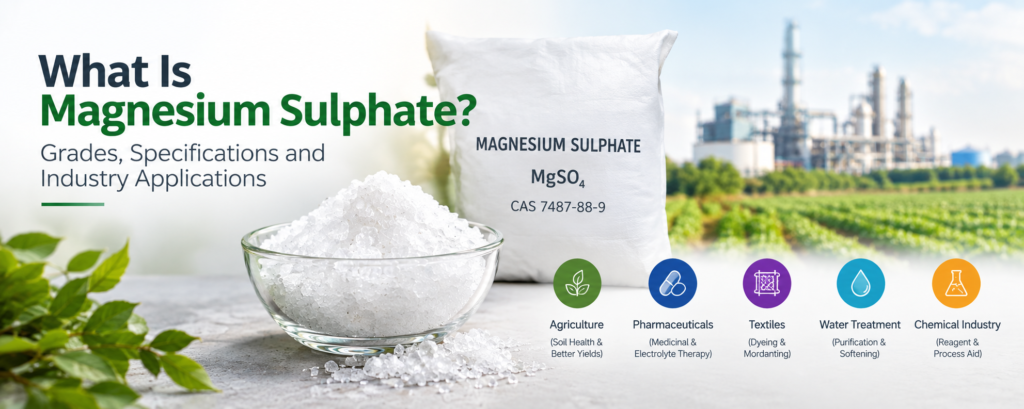
Magnesium Sulphate, a small colorless crystal, is a versatile medication with a range of clinical applications, particularly known for its role in treating pre-eclampsia. This compound serves as an anticonvulsant, a cathartic, and an electrolyte replenisher, making it essential in various medical settings. VRIK PHARMA is a leading manufacturer, trader, supplier, and exporter of specialty chemicals and inorganic chemicals, such as Magnesium Sulphate, in India. Pharmacodynamics The primary mode of action of Magnesium Sulphate in eclampsia is the immediate blockage by myometrial muscle cells pursuing cell policies. This leads to decoupling of excitation and contraction that will lower both the frequency and force of uterine contractions. Anticonvulsant activity is prompt and appears within seconds after intravenous injection; activity persists for about 30 minutes. Magnesium Sulphate acts as a depressant on the CNS, impairing neuromuscular transmission and decreasing efflux of acetylcholine from the motor end plate. These medicines are necessary to stop a seizure in women who have severe pre-eclampsia. It is also well known for effective treatment of certain supraventricular tachycardias (specifically atrioventricular nodal reentrant tachycardia); sudden, rapid unstable ventricular dysrhythmias; and to prevent ventricular fibrillation in patients with intracranial hemorrhage due to a significant increase in the risk of platelet-associated clot formation. Uses Magnesium Sulphate is primarily utilized for: Side Effects and Precautions While Magnesium Sulphate is typically well tolerated, some of the more common side effects of this treatment include stomach upset and diarrhea–but often these can be avoided by having patients take the medication with food. While serious side effects are not common, certain cases can induce allergic reactions that manifest as rashes, swelling, and trouble breathing. Magnesium Sulphate should be avoided in certain health conditions, particularly kidney disease, as its excretion is primarily renal and concentrations are magnified against a damaged nephron. Caution, however, is recommended for patients with diabetes, liver disease, and pregnant women who must try to balance risk versus benefit. Conclusion MgSO4 is a very important drug in modern medicine, especially for managing eclampsia and various electrolyte imbalances. This multifarious nature of serving as an anticonvulsant, laxative, and electrolyte replenisher underlines its critical role in clinical practice. I should note, though, that with any drug, its use and oversight are critical for maximizing efficacy while minimizing potential risks.